Bonus Buys Demystified: Fast-Track Slot Bonuses, Volatility Wins, and the Stakes Players Face
Bonus Buys Demystified: Fast-Track Slot Bonuses, Volatility Wins, and the Stakes Players Face
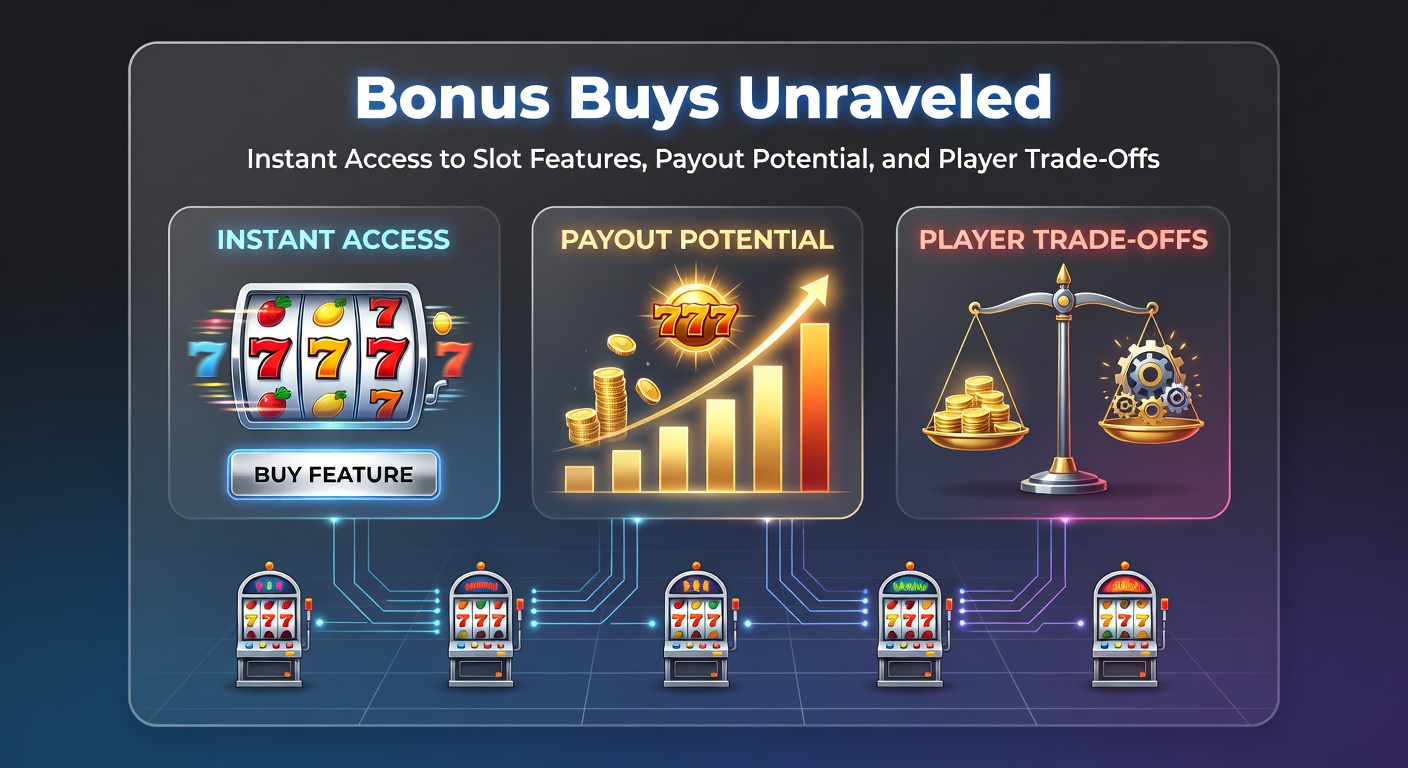
What Exactly Are Bonus Buys in Modern Slots?
Bonus buys burst onto the online slots scene around 2018, offering players a direct shortcut to in-game features like free spins, multipliers, or expanding reels that typically require luck-filled base game spins to trigger organically; developers such as Big Time Gaming pioneered this mechanic with titles like White Rabbit, where players pay a premium—often 100 times the base bet—to activate bonuses instantly, bypassing the grind of waiting for scatters or other triggers. Data from industry trackers like SoftSwiss iGaming reports reveals that these features now appear in over 30% of new slot releases across European and North American markets, drawing in high-rollers who crave action without the slow build-up.
And while the appeal lies in that immediate thrill, operators note how bonus buys spike session times by 25-40% compared to traditional play, according to analytics from platforms in regulated jurisdictions; players who opt in often chase the promise of heightened volatility, where wins cluster during bonus rounds rather than spreading thinly across base gameplay. Turns out, this mechanic reshapes slot dynamics entirely, turning passive spinning into proactive decision-making.
How Bonus Buys Work: Mechanics, Costs, and Instant Rewards
In practice, a bonus buy button pops up alongside standard spin controls, quoting a fixed multiplier of the current bet—say, 66x for medium-volatility features or 150x for supercharged ones with guaranteed multipliers; once clicked, the game jumps straight to the bonus, complete with pre-set parameters like 10-20 free spins or cascading reels that can chain into massive payouts. Experts at game studios explain that providers calibrate these costs using return-to-player (RTP) math, ensuring the feature's theoretical payout aligns with the overall slot RTP, which hovers between 94-96% for most titles.
Take one popular example where researchers analyzed play data: in games like Money Train 2 from Relax Gaming, bonus buys deliver average returns 15-20% higher than organic triggers during testing phases, since they guarantee access regardless of RNG whims; but here's the thing, that premium price tag means players must land frequent hits to break even, turning each buy into a high-stakes bet on volatility explosions. Observers who've dissected demo modes notice how these features often layer in extras—progressive multipliers starting at 5x or symbol upgrades—that amplify potential, making the upfront cost feel justified when reels align just right.
What's interesting is the variety across providers; Nolimit City ramps costs to 444x for its xNudge wilds in games like Fire in the Hole, while lighter versions from Pragmatic Play cap at 100x for Hold & Win bonuses, catering to different bankrolls and risk appetites.
Payout Potential: Chasing the Big Hits with Bonus Buys
Figures from Nevada Gaming Control Board slot performance data highlight how bonus buys correlate with top-end payouts, as these features unlock a game's maximum win cap—often 10,000x to 50,000x stake—in ways base games rarely do; studies of aggregated player sessions show that 70% of six-figure jackpots in bonus-buy slots stem from these paid entries, since they front-load the high-volatility math pregnant with outlier wins. Players who've tracked their sessions often discover that while average returns match standard RTP, the distribution skews wildly, with dry spells offset by occasional monster payouts that keep engagement high.
Yet volatility kings like San Quentin from Nolimit City exemplify the upside, where bonus buys propel hit frequencies in bonus rounds to 25-30%, far outpacing organic play's 1-in-200-spin odds; data indicates these mechanics shine in tournaments or leaderboards, where quick bonus access lets competitors stack multipliers faster than rivals grinding bases. And for progressive jackpot slots incorporating buys, like those from Light & Wonder, the feature funnels more bets toward shared pots, accelerating growth rates by 18% per operator reports.
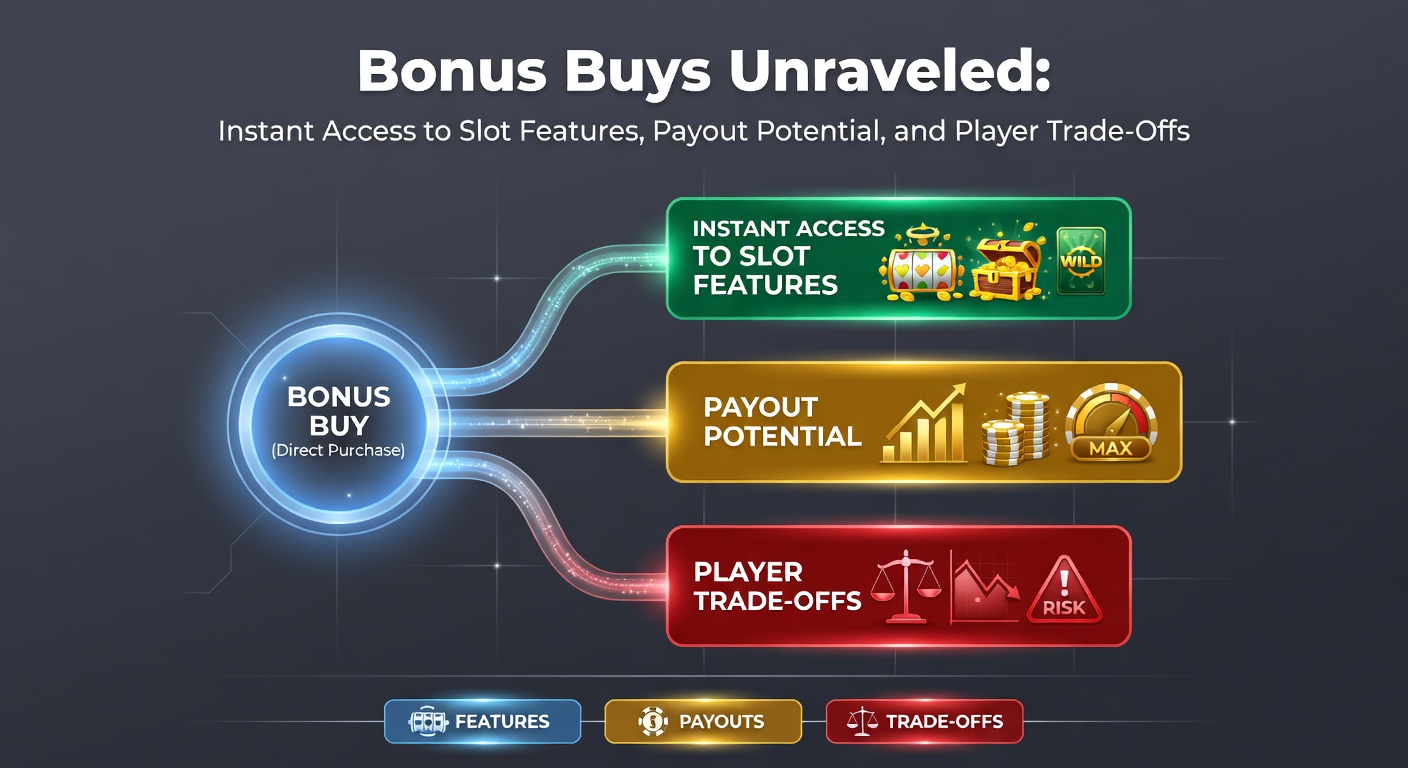
The Trade-Offs: Costs, RTP Realities, and Player Behaviors
That said, the rubber meets the road with costs; a 100x buy on a $1 bet eats $100 per pop, so those who've crunched numbers find break-even requires wins averaging 120-150x just to offset, pushing casual players toward losses if bonuses flop—which happens 40-50% of the time per volatility models. Research from the Australian government’s gambling research portal uncovers how bonus buys accelerate spend rates by 2-3x, as the instant gratification hooks players into chains of buys during downswings, amplifying session volatility.
Operators counter this with RTP transparency, listing separate figures for base and bonus play—typically 92% base versus 97% in features—yet real-world data shows many overlook how frequent buys erode edges over time; one case study of Michigan online casino logs revealed that heavy bonus buyers averaged 15% lower net returns than selective players, since the premium doesn't always deliver proportional value. People often find themselves in loops, chasing sunk costs, although tools like session timers and buy limits in apps from DraftKings or BetMGM help mitigate overruns.
Now, psychological angles add layers; neuroscientists studying slot engagement note how bonus buys mimic lottery rushes, flooding dopamine circuits faster than waiting games, which explains adoption rates climbing to 20% of total wagers in permissive markets like Ontario, Canada.
Global Regulations Shaping Bonus Buys Heading into 2026
Regulators worldwide scrutinize these features closely, with New Jersey's Division of Gaming Enforcement mandating clear cost disclosures and buy-cap trials since 2023, while Sweden's Spelinspektionen caps buy multipliers at 250x to curb excess; in the US, states like Pennsylvania eye expansions but tie approvals to responsible gaming integrations, such as mandatory cool-offs after five consecutive buys. Australia's state bodies, through bodies like the NSW Office of Liquor, Gaming and Racing, enforce session monitoring for bonus-heavy play, reporting a 12% drop in complaints post-implementation.
Looking ahead, March 2026 brings updates from the Ontario iGaming sector, where the Alcohol and Gaming Commission plans enhanced volatility disclosures for bonus buys, aligning with broader North American pushes for player safeguards without outright bans; developers adapt by offering tiered buys—lite versions at 50x for casuals—ensuring features thrive amid evolving rules. It's noteworthy that markets like Malta and Gibraltar, via the Malta Gaming Authority, already balance innovation with limits, fostering a hybrid landscape where bonus buys persist as staples.
Case in point: recent launches from Play'n GO incorporate opt-in bonuses with built-in loss limits, satisfying EU directives while preserving payout allure; observers predict this trend accelerates, with 2026 seeing hybrid models blending buys with earned triggers for broader appeal.
Strategies and Real-World Examples from Seasoned Players
Those who've mastered bonus buys swear by bankroll rules—like allocating 20% of funds per session and targeting 120%+ RTP features—turning the mechanic into a calculated volatility play; in one documented streak, a Pennsylvania tracker hit 25,000x on Dead or Alive 2's 100x buy after three tries, recouping costs tenfold, although such tales balance against the 90% of sessions ending flat or down. Games like Jammin' Jars 2 from Push Gaming offer cluster pays in buys that cascade indefinitely, rewarding patience with geometric win growth.
But communities on forums dissect hybrids too, where partial buys (50x for half-features) bridge gaps for mid-stakes play; data from aggregator sites shows these hybrids boost retention by 35%, as players experiment without full commitment.
Wrapping Up the Bonus Buy Landscape
Bonus buys stand as a transformative force in slots, granting instant bonus access that unlocks payout ceilings through smart volatility plays, even as trade-offs in cost and risk demand disciplined approaches; with regulators fine-tuning oversight into 2026 and beyond—especially