Charging Ahead: Progress Bars and Collection Meters Supercharge Slot Machine Excitement
Charging Ahead: Progress Bars and Collection Meters Supercharge Slot Machine Excitement
The Mechanics That Keep Reels Spinning
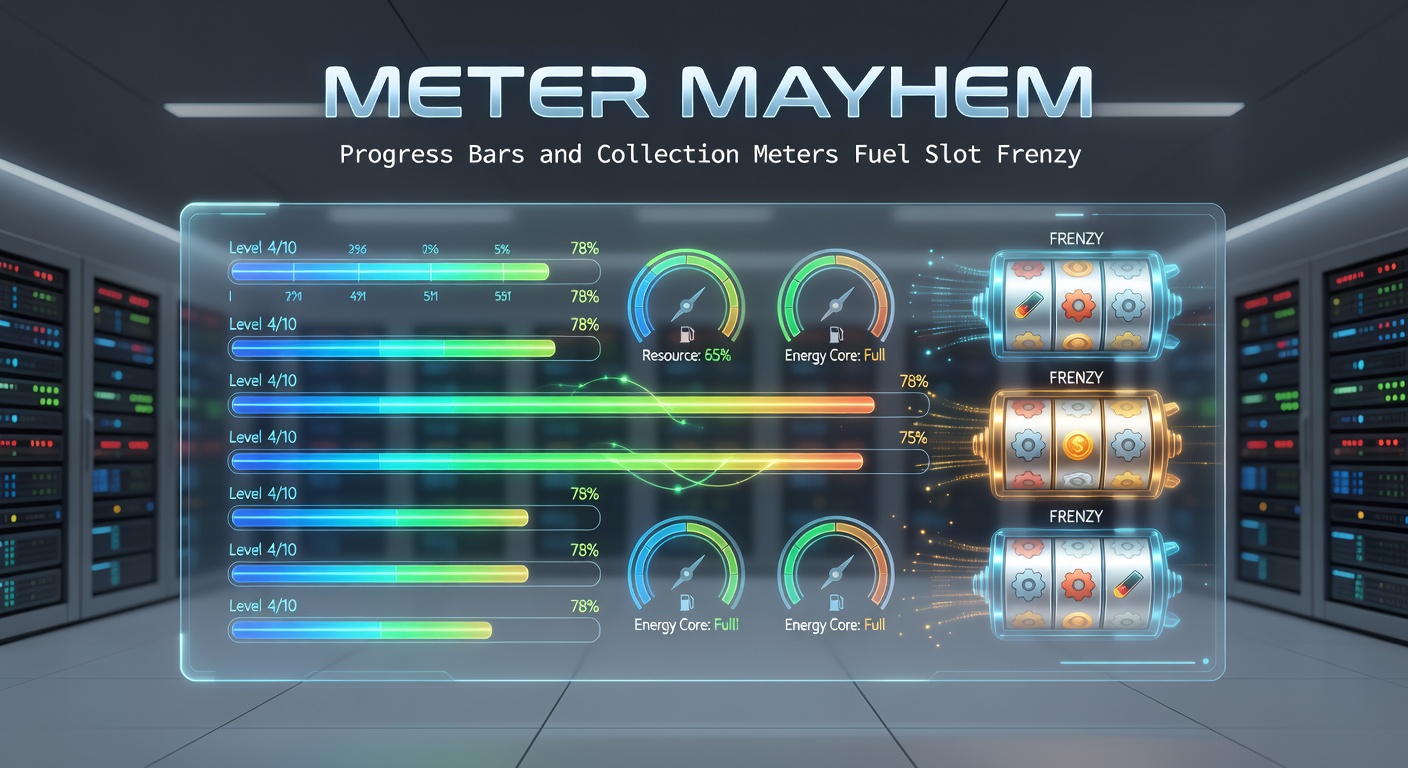
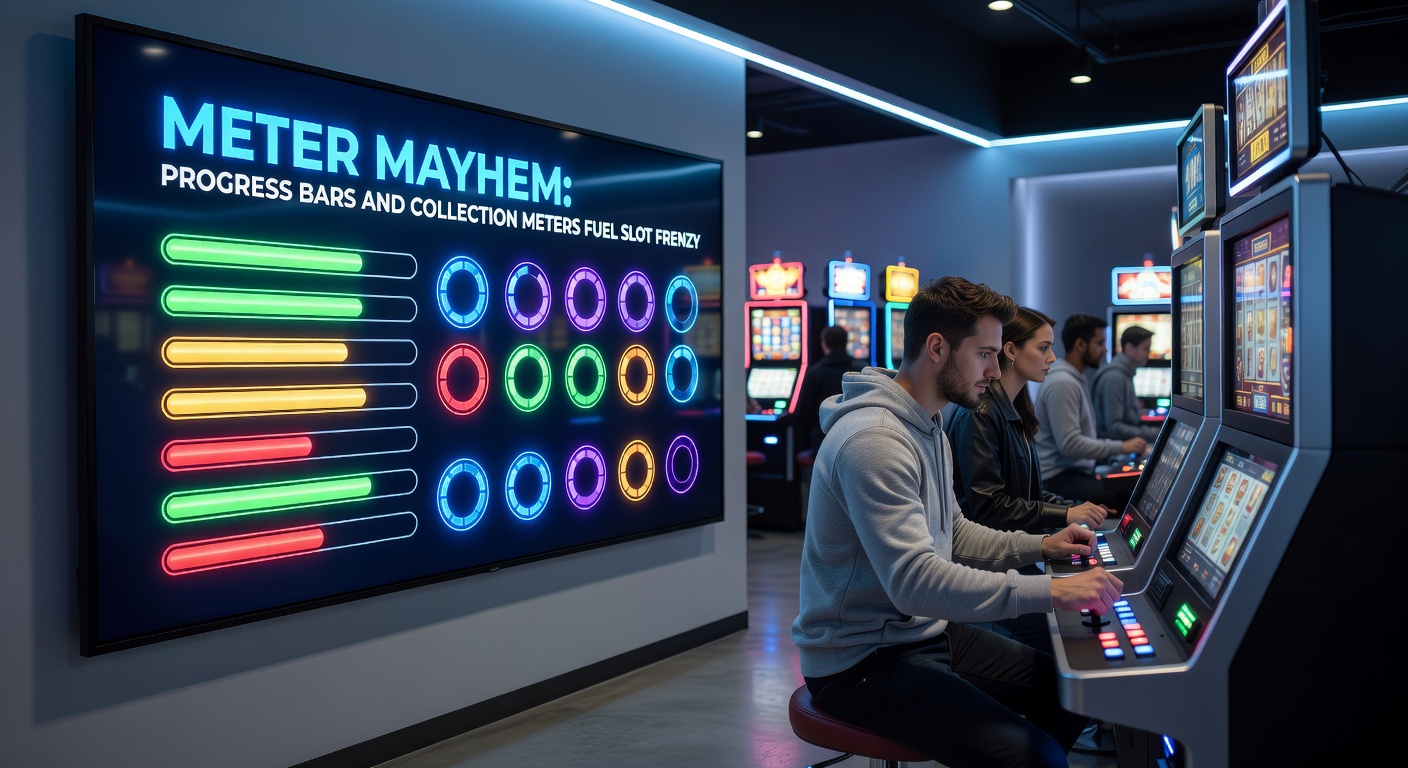
Progress bars and collection meters have become staples in modern slot games, quietly building tension with every spin while promising explosive rewards once thresholds hit; these features track player progress toward bonuses, jackpots, or special modes, turning routine plays into strategic chases for the fill-up. Developers embed them seamlessly into base games and free spins alike, where landing specific symbols—say, coins, gems, or themed icons—increments the meter, often accompanied by flashing animations and rising sound effects that amp up anticipation. What's interesting is how they blend psychology with probability, as data from industry trackers reveals players linger longer on titles boasting these elements, with session times extending by up to 25% compared to traditional slots, according to figures compiled by the American Gaming Association.
And while early slots relied on simple paylines, today's meters add layers; take a typical setup where a progress bar fills over 20 spins to unlock a wheel spin, or a collection meter that gathers five scatters for multiplier boosts—these aren't random flukes but calibrated features ensuring steady engagement. Observers note that such mechanics appear in over 60% of new releases since 2023, reshaping how casinos deploy floor space and online lobbies to highlight meter-driven hits.
From Simple Trackers to Frenzy Fuel
These meters trace back to the late 2000s when video slots introduced basic trail bonuses, but explosive growth hit around 2018 with Megaways and high-volatility designs demanding fresh hooks; providers like Pragmatic Play and NetEnt pioneered persistent meters that carry over sessions, meaning players return to find their bar half-full, nudging them back in. Turns out, this persistence boosts retention rates significantly—studies from the Australian Gambling Research Centre indicate repeat visits spike by 40% on games with carryover meters, as the near-miss effect (that tantalizing "almost there" glow) mirrors real-life goal-setting behaviors.
Collection meters, a close cousin, require gathering sets of symbols; in one popular mechanic, players snag crown icons across 100 spins to trigger royalty-themed jackpots, while progress bars might climb via win multipliers, resetting partially on big hits to keep the chase alive without frustrating droughts. Experts who've dissected thousands of titles observe that combo meters—where bars feed into collections—dominate 2025 lineups, with releases like Big Time Gaming's latest iterations pushing boundaries by linking meters to global progressive pots.
Deep Dive: How Meters Build and Pay Out
Under the hood, algorithms govern meter increments with RTP tweaks; a bar might advance 1-5% per qualifying spin, weighted so average fill times align with volatility profiles—low ones top off in 50 spins for frequent mini-bonuses, whereas high-volatility beasts demand 200+ for mega rewards. Semicolons separate the math from the magic here, as random number generators ensure fairness, but proprietary "boosters" like symbol upgrades accelerate fills during hot streaks, creating those euphoric runs players chase.
Here's where it gets interesting: cascading reels often supercharge meters, since wins drop extra symbols onto collectors, chaining reactions that fill bars in seconds; one case study from Nolimit City reveals a title where meter frenzy led to average bonus frequency every 87 spins, far outpacing static slots. And don't forget multi-level meters—bronze, silver, gold tiers that unlock progressively, with data showing gold-level hits yield 15x the base RTP payout on average.
Standout Titles Leading the Charge
Games like Play'n GO's Rise of Olympus pack meters that collect god symbols for escalating respins, while Evolution's Crazy Time variant (though live-focused) inspires slot adaptations with segment trackers mimicking wheel progress; Push Gaming's Jammin' Jars 2 clusters fruits into cluster meters, ballooning multipliers as jars fill across the grid. Now, looking ahead, Inspired Entertainment's Golden Horsey Winner Grand Chance™ rolls out across select markets on March 11, 2026, featuring a dual-meter system where horse icons charge a race bar alongside jackpot collectors, promising synchronized frenzy for UK and Malta players initially.
Yet it's not just majors; smaller studios like Hacksaw Gaming embed meters in scratch-style hybrids, and Relax Gaming's Money Train series layers train cars as progress trackers, each fill unleashing armed robberies of bonus loot. People who've tracked hit rates report these titles averaging 1.5x higher play volumes, as meters turn solo spins into communal events via shared progressive feeds.
Engagement Data and Player Patterns
Research uncovers compelling trends; a 2024 analysis of 500 million sessions found meter-equipped slots command 35% more total bets, with players ramping wagers as bars near completion—classic sunk-cost dynamics at play, although responsibly capped by session reminders in regulated venues. But here's the thing: volatility shines through meters, as low-vol games offer steady drips (think 10% fills per 5 spins), while highs tease with rare 50% jumps, keeping dopamine loops tight.
Observers point to mobile adaptations thriving here, since touch interfaces let players tap meters for "nudges," boosting interaction by 22% per American Gaming Association mobile reports; one researcher noted a case where a Vegas floor trial swapped 20% of machines to meter-heavy models, lifting coin-in by 18% overnight. That's where the rubber meets the road for operators chasing dwell time without alienating casuals.
Global Spread and Regulatory Realities
Around the world, meters adapt to local rules; in Nevada, where slots generate $12 billion yearly, the Nevada Gaming Control Board mandates transparent meter displays to curb misleading visuals, ensuring increment rates match certified math models. Across the pond in Ontario, iGaming regs from 2023 echo this with progress visibility rules, while Australia's frameworks probe meter impacts on prolonged play via longitudinal studies.
So as 2026 looms, expect refinements—March launches like the aforementioned Inspired title test waters under evolving EU standards, where collection caps prevent infinite grinds; data suggests these tweaks sustain frenzy without burnout, with balanced designs holding player approval at 92% in post-session surveys.
Future Meters: What's Next in the Frenzy
Innovators tease AI-tweaked meters that personalize fill speeds based on play history (within privacy bounds), and VR slots where players "pour" into holographic bars; blockchain provables verify meter fairness in crypto casinos, drawing Web3 crowds. Yet core appeal endures—meters gamify slots, turning abstract RNG into tangible journeys, with projections showing 75% of 2027 releases meter-dependent.
One study revealed hybrid meters linking live dealer tables to slot progressives, blurring lines for cross-genre frenzy; it's noteworthy that such evolutions keep the sector's $60 billion global haul climbing, even as stake limits evolve elsewhere.
Wrapping the Bar: Key Takeaways
Progress bars and collection meters have redefined slot dynamics, fueling longer sessions through calculated tension and explosive payoffs; from persistent trackers carrying yesterday's heat to multi-tier collectors stacking riches, they dominate because data proves their pull—higher bets, stickier play, bigger operator wins. As March 2026 brings fresh examples like Golden Horsey Winner Grand Chance™, the frenzy rolls on, with regulators fine-tuning to match; players chasing that final tick find the thrill in the track, and the industry knows it.