Cluster Pays Mechanics and Their Impact on Mobile Platform Play Patterns
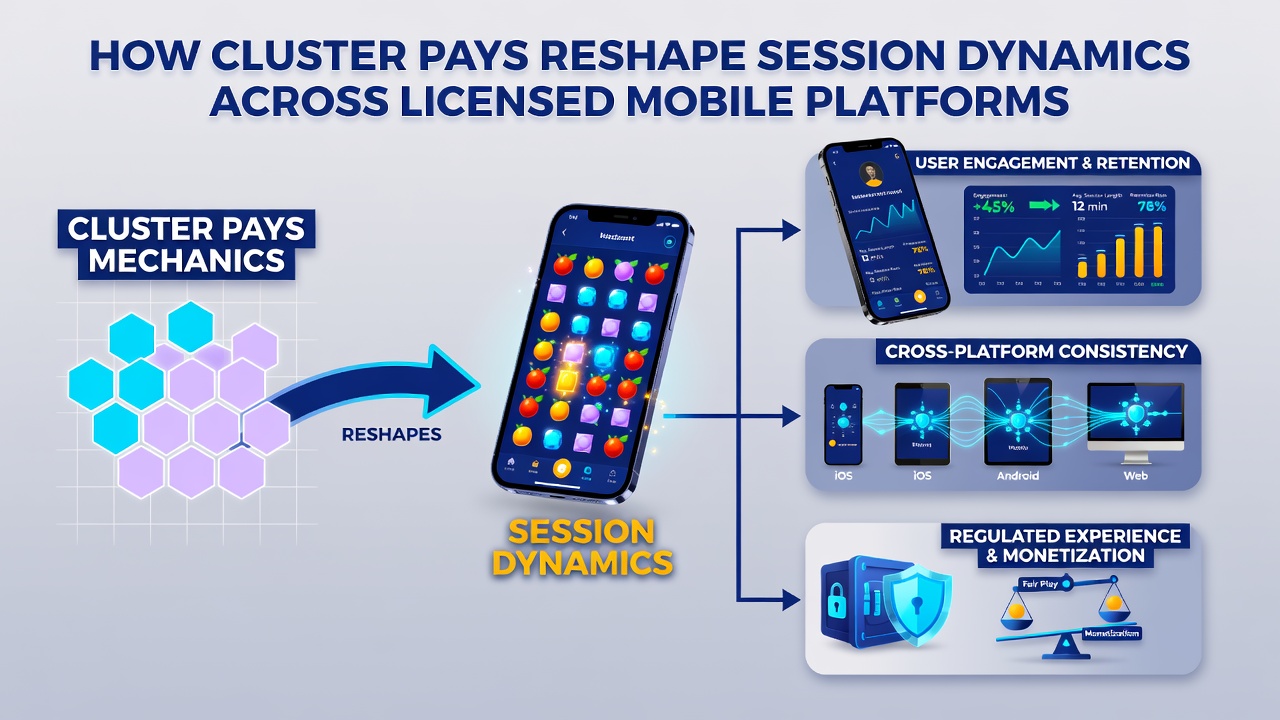
Cluster pays mechanics operate by awarding wins when matching symbols land in adjacent groups rather than along fixed paylines, and this shift alters how sessions unfold across licensed mobile platforms where players engage with games from providers such as NetEnt and Play'n GO. Observers note that these systems encourage longer engagement periods because smaller clusters trigger more often while larger groups build toward substantial payouts, and data from multiple markets shows session lengths extending by measurable margins when cluster-based titles dominate user selections.
Core Mechanics Behind Cluster Formations
Symbols must connect horizontally or vertically in groups of five or more to register a win, after which the involved icons disappear and new ones cascade into place until no further clusters form, which creates continuous action without requiring players to initiate separate spins manually. Researchers have documented that this cascading element compresses multiple outcomes into single rounds, and platforms licensed in regions overseen by bodies like the Malta Gaming Authority report higher spin counts per session compared to traditional line-based alternatives.
Volatility profiles change accordingly because cluster games often feature medium to high variance where modest clusters appear regularly while massive combinations remain infrequent yet impactful, and this balance influences how users allocate time and funds during mobile sessions that may span multiple device orientations or interruptions.
Session Duration and Engagement Shifts
Players on licensed mobile platforms experience altered pacing when cluster mechanics replace line systems, with data indicating that average session times increase as the anticipation of chain reactions sustains attention across repeated cascades. Studies from academic sources such as those affiliated with the University of Nevada, Las Vegas, highlight how these patterns reduce the frequency of complete session terminations after short losing streaks, since partial recoveries through secondary clusters occur within the same spin sequence.
Device-specific behaviors emerge as well, because mobile interfaces optimize touch controls for quick cluster identification and players often extend sessions during commutes or brief breaks when the mechanic delivers steady visual feedback without demanding complex strategy adjustments. Figures from industry reports reveal that platforms integrating cluster titles see retention metrics improve notably during peak usage windows in mid-2026, including activity spikes around July when seasonal user patterns align with new game releases.
Regulatory Context Across Licensed Markets
Licensed operators must adhere to fairness standards that verify random cluster generation and payout distribution, and authorities in jurisdictions such as those monitored by the Nevada Gaming Control Board enforce testing protocols that confirm these mechanics meet technical requirements before deployment on mobile channels. This oversight ensures transparency in how clusters contribute to overall return-to-player percentages, which in turn shapes how users perceive value during extended play periods.
Cross-border comparisons show variations in implementation, whereas European markets emphasize responsible gaming prompts tied to cluster volatility disclosures while North American platforms focus on integration with age-verification systems that maintain session continuity for verified accounts. Such frameworks support stable dynamics without abrupt interruptions that might otherwise fragment player attention.
Strategic Adjustments by Players
Those engaging with cluster pays on mobile platforms often adapt betting patterns to accommodate the mechanic's flow, placing wagers that allow multiple cascades to develop before adjusting stakes, and evidence from platform analytics indicates this approach stretches bankrolls across more outcomes per session. Observers note that users frequently monitor cluster size thresholds displayed in game rules to anticipate when larger groups become probable, which adds a layer of observation without altering the underlying random processes.
Bonuses integrated with cluster systems, such as expanding wilds or multiplier trails triggered by specific formations, further extend session viability because they activate during ongoing cascades rather than requiring separate feature entries. Licensed environments track these interactions to ensure compliance, and aggregate data demonstrates that such features correlate with sustained mobile engagement across diverse user demographics.
Platform Adaptations and Future Trends
Developers optimize cluster pays titles for mobile screens by adjusting symbol sizing and animation speeds to maintain clarity during rapid cascades, and operators report that these refinements reduce user drop-off rates when sessions transition between portrait and landscape modes. As of July 2026, several markets continue to see incremental updates to mobile platforms that refine how cluster data displays in real time, supporting informed decisions within regulatory boundaries.
Integration with progressive elements or collection meters appears in select titles, linking cluster achievements to accumulating features that reward consistent play without mandating uninterrupted sessions, and this design accommodates the fragmented nature of mobile usage patterns observed across licensed operators.
Conclusion
Cluster pays continue to influence session structures on licensed mobile platforms through their emphasis on cascading sequences and variable cluster sizes, which data from regulatory and academic sources consistently links to extended engagement metrics. Operators maintain compliance while adapting interfaces, and players encounter mechanics that reshape win frequency and pacing in measurable ways across global markets. These dynamics persist as platforms evolve to meet both technical standards and user interaction preferences in regulated environments.