Decoding Bonus Purchase Pathways in Volatile Jackpot Slots from Major Game Studios
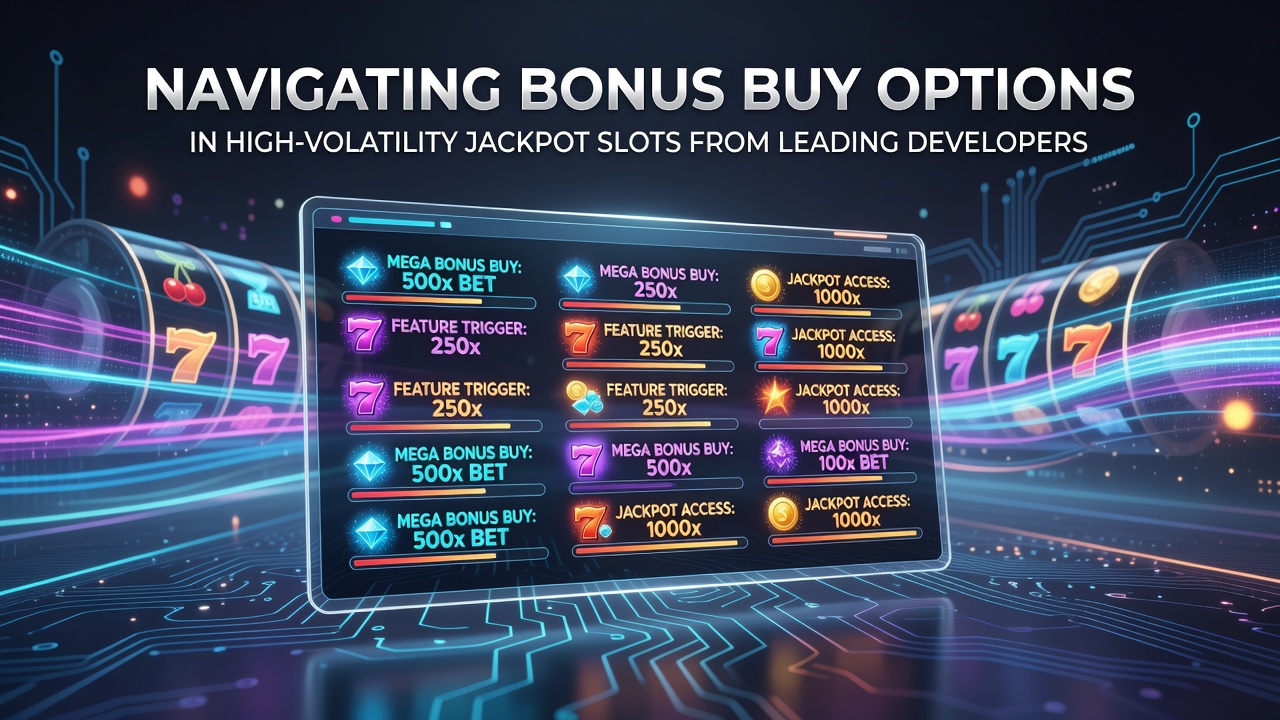
High-volatility jackpot slots from leading developers incorporate bonus buy options that allow direct access to feature rounds, and these mechanics have expanded across platforms during mid-2026, with several titles releasing updates in July that refined cost structures and trigger probabilities. Developers such as Playtech and Pragmatic Play have integrated these features into progressive jackpot titles where base game volatility remains elevated, meaning standard spins deliver infrequent but substantial payouts while bonus rounds concentrate larger prize pools including linked jackpots.
Core Mechanics of Bonus Buys in Jackpot Environments
Bonus buy functions operate by deducting a fixed multiplier of the current bet from the player balance, and this purchase guarantees entry into a designated feature such as free spins or a jackpot wheel without requiring natural scatter combinations. In high-volatility jackpot slots the cost typically ranges between 50x and 200x the base stake depending on the developer configuration, while the expected return adjusts because the purchased round bypasses lower-paying base game segments. Observers note that titles from NetEnt and Big Time Gaming often embed progressive elements within these bought features, so jackpot contributions accumulate across networks even during the triggered sequence.
Leading studios structure these options with clear disclosure of the theoretical RTP shift that occurs post-purchase, and data from industry reports shows the adjusted percentage can differ by several points compared with standard play. Players encounter multiple tiers in some games where a cheaper buy unlocks a standard bonus while a premium option increases jackpot weighting or adds extra spins, creating layered decision points that affect session variance.
Developer-Specific Implementations and Volatility Profiles
Each major provider applies distinct parameters to bonus buys within their jackpot portfolio. For instance, Microgaming titles frequently tie the purchase price to the current progressive level, which means costs fluctuate in real time as the jackpot grows. This dynamic pricing model appears in several July 2026 releases where the buy option scales with network contributions, and the feature then feeds directly into a multi-level jackpot selection. In contrast, Yggdrasil implementations maintain static buy prices yet adjust the jackpot allocation percentage inside the bonus round itself.
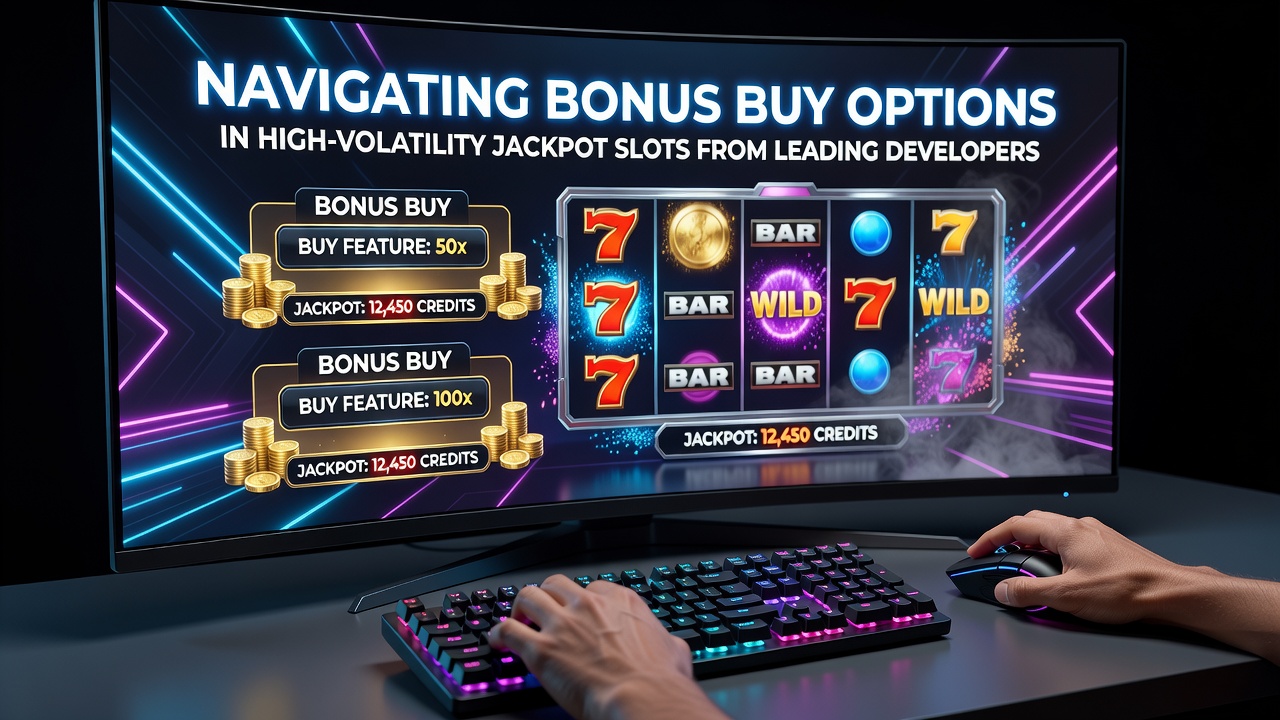
Research from the University of Nevada Gaming Research Center indicates that high-volatility jackpot slots utilizing bonus buys exhibit wider distribution of outcomes per 1000 spins compared with non-buyable equivalents. The study tracked several thousand sessions across developer catalogs and found that purchased features delivered the majority of jackpot hits within the sampled data sets. Those who examine these patterns observe that the mechanic concentrates risk into fewer but larger events, which aligns with the volatility classification assigned by the studios.
Regulatory Context Across Regions in 2026
Jurisdictions outside the UK have introduced frameworks addressing bonus buy visibility during 2026. The Australian Communications and Media Authority updated disclosure requirements effective July, mandating that operators display the exact cost and any RTP variance associated with each buy tier before confirmation. Similar provisions emerged in several European markets where testing laboratories must certify that the purchased feature maintains the advertised return metrics. These changes affect how leading developers format their games for multi-region deployment, particularly when jackpot pools span international networks.
Slot certification processes now require explicit labeling of bonus buy mechanics in help files, and providers respond by embedding pop-up summaries that calculate potential outcomes based on current bet size. This standardization helps ensure players receive consistent information regardless of the developer behind the title.
Practical Considerations for Session Planning
Those analyzing high-volatility jackpot slots with bonus buys often track bankroll allocation across multiple purchase attempts because the elevated variance can exhaust funds rapidly. Session data compiled by industry analysts shows that players who set strict buy limits and alternate between different developer titles experience more controlled exposure to downside sequences. Progressive jackpot contributions continue during bought rounds in most implementations, which means the underlying network prize keeps growing even when the feature concludes without a major win.
Developers release periodic patches that recalibrate buy costs or feature frequencies, and July 2026 saw several such adjustments in popular jackpot titles. These updates typically follow internal testing that evaluates hit rates and player engagement metrics across live environments. Observers who monitor release notes from studios note that adjustments aim to balance the perceived value of the buy option against the base game experience.
Conclusion
Bonus buy options within high-volatility jackpot slots from leading developers represent a defined pathway to feature access that carries specific cost and volatility implications. The mechanics vary by studio yet share common elements such as fixed or dynamic pricing, adjusted RTP disclosures, and integration with progressive prize pools. Regional regulatory updates effective in July 2026 have standardized certain presentation requirements, while academic and industry research continues to document outcome distributions associated with these features. Players navigating these options encounter structured choices that influence session length and prize concentration across the available catalog of titles.