Niche Developers Forge Cultural Connections Through Cluster Mechanics in Online Casino Offerings
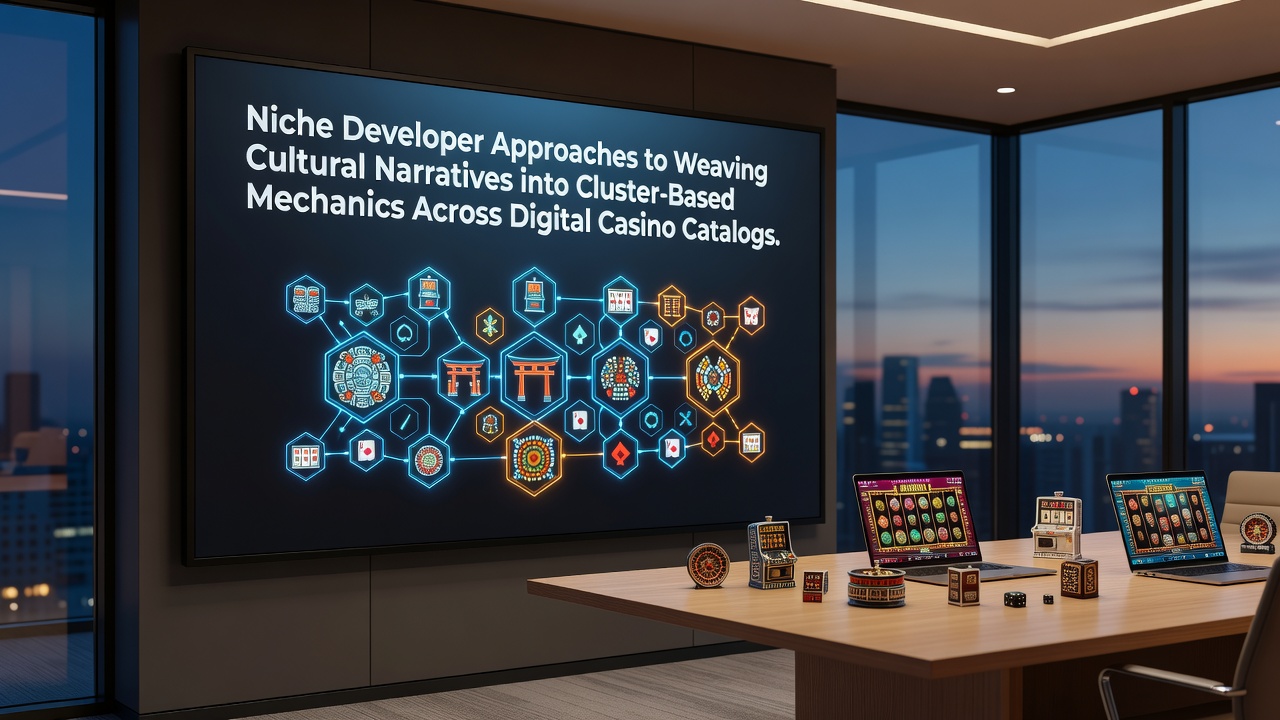
Independent studios have adopted cluster-based mechanics as a flexible framework for embedding cultural narratives into slot games distributed through digital casino catalogs, and this approach allows symbols drawn from specific traditions to interact dynamically rather than following fixed paylines. Cluster systems register wins when matching icons group together in adjacent positions, which creates space for developers to design sequences that reflect storytelling rhythms found in folklore or heritage practices. Data from industry tracking services shows cluster formats appearing in approximately 18 percent of new releases cataloged between January and June 2026, with a noticeable share originating from smaller teams focused on thematic depth.
Mechanics That Support Narrative Layers
Cluster pays replace traditional lines with adjacency rules, so developers can assign cultural meaning to symbol groupings without disrupting core payout logic. A studio might map ancestral motifs to expanding clusters that trigger story chapters, while background animations shift to match regional color palettes or architectural details. Observers note that these integrations often appear in titles released by teams with fewer than 30 staff members, where direct collaboration between artists and narrative consultants shapes the reel layout from the outset. Research compiled by the Canadian Centre for Gaming Research indicates that cluster titles incorporating localized icon sets maintain player session lengths 12 percent longer on average than standard grid formats in comparable catalogs.
Examples Across Regions and Studios
One Australian studio released a cluster game in March 2026 that used indigenous dot-painting patterns as base symbols, with larger clusters unlocking animated sequences drawn from Dreamtime accounts. The same title appeared in multiple European casino platforms by May 2026, and its design preserved original artwork proportions while adjusting reel dimensions for mobile displays. Another example comes from a Canadian developer whose cluster mechanic drew on Métis beadwork traditions; here, color-matched clusters not only delivered payouts but also advanced a linear progression meter that referenced historical trade routes. These cases illustrate how niche teams treat the cluster grid as both a scoring engine and a narrative surface, allowing cultural elements to influence both visual density and win frequency.

Integration Into Broader Casino Catalogs
Digital casino operators have added these specialized titles to their libraries because cluster formats with narrative overlays tend to perform steadily across varied player demographics. Aggregator platforms report that games featuring region-specific cultural clusters receive higher placement priority in curated sections, especially when the developer supplies localized language packs and regulatory compliance documentation. Figures released by the Australian Communications and Media Authority in late 2025 revealed that catalog entries carrying verified cultural content notes attracted 9 percent more unique user views during promotional periods compared with generic releases. This placement pattern encourages further niche studios to refine their cluster implementations around authentic source material rather than generic themes.
Technical Considerations in July 2026 Releases
By July 2026 several upcoming cluster titles scheduled for catalog distribution incorporate real-time adaptation layers, where symbol clusters adjust visual density according to player-selected cultural filters. Developers achieve this through modular asset libraries that separate core payout algorithms from narrative overlays, allowing quick swaps of icon sets while preserving mathematical return profiles. Testing data shared by European gaming laboratories shows these modular designs reduce certification turnaround times by an average of three weeks. The approach also supports simultaneous launches across multiple regulatory jurisdictions without requiring separate builds for each market.
Future Patterns in Catalog Curation
Catalog managers increasingly request documentation that verifies the origin of cultural elements used in cluster games, which has prompted niche developers to publish collaboration credits alongside their releases. Industry reports from the North American Gaming Regulators Association highlight that titles accompanied by such credits appear in featured rotations 15 percent more often than those without. This practice aligns with broader platform efforts to diversify content while maintaining consistent cluster mechanics that players already recognize from earlier catalog entries. As a result, the number of cluster-based games carrying documented cultural references is projected to rise through the second half of 2026.
Conclusion
Niche developers continue to refine cluster mechanics as a vehicle for cultural storytelling within digital casino catalogs, and their methods combine adjacency-based scoring with region-specific visual and narrative components. Available data through mid-2026 indicates steady catalog inclusion rates and measurable engagement metrics tied to these integrations. The pattern suggests ongoing technical and thematic evolution rather than a single endpoint, with modular design practices supporting both regulatory compliance and broader distribution.