Quick Hits or Long Shots? Decoding Slot Hit Frequency and Volatility for Smarter Play
Quick Hits or Long Shots? Decoding Slot Hit Frequency and Volatility for Smarter Play
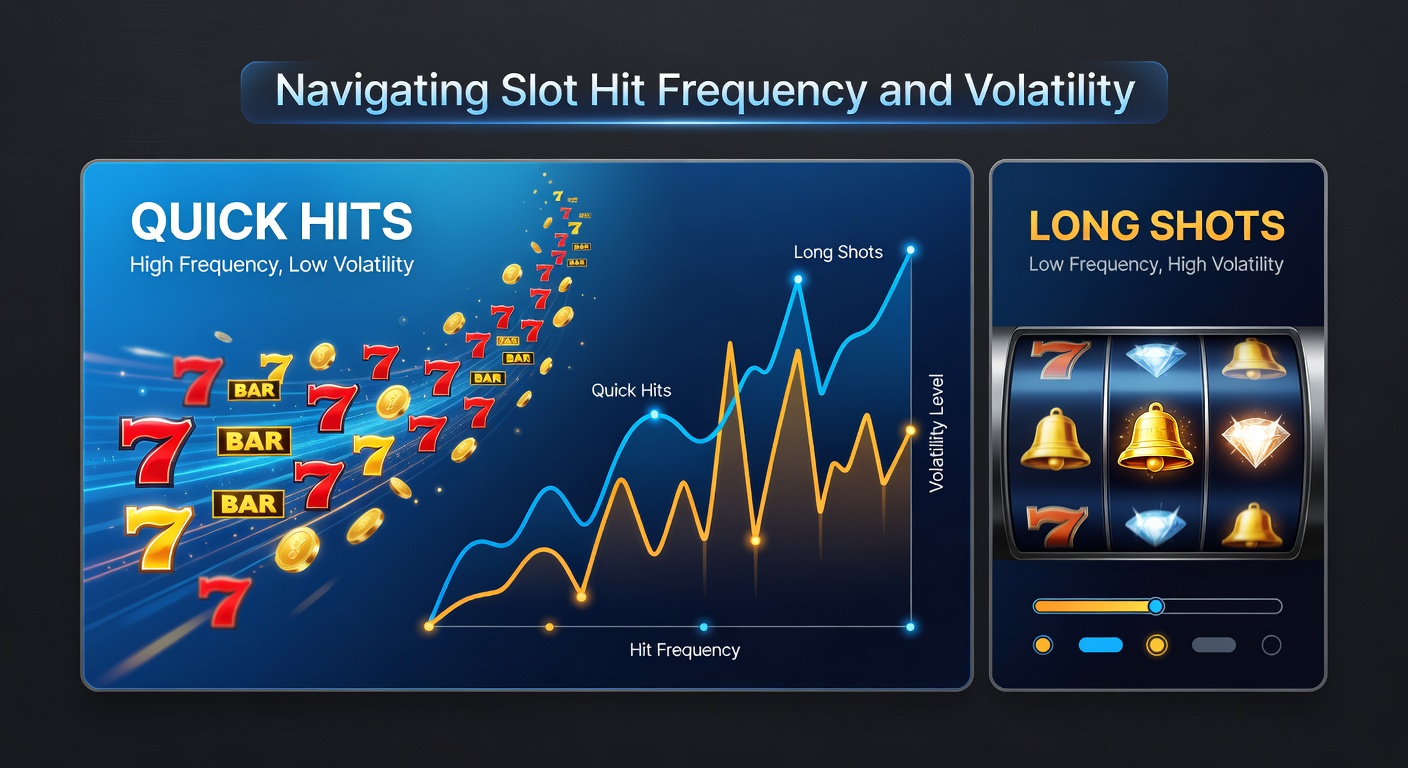
Slot machines draw players with their blend of chance and thrill, yet two key mechanics—hit frequency and volatility—shape every spin's outcome in ways that experts have long dissected; hit frequency measures how often a machine pays out any win, while volatility gauges the size and spacing of those payouts, creating a spectrum from steady drips to explosive bursts.
Those who've analyzed thousands of spins note that high hit frequency slots deliver wins on 30-40% of turns, keeping action alive although payouts stay small; low frequency ones, by contrast, might hit just 10-15% of the time, but when they do, the rewards often soar into jackpot territory.
Hit Frequency: The Pulse of Constant Action
Hit frequency, often called payout frequency by casino analysts, tracks the percentage of spins yielding at least a minimal win, and data from Nevada Gaming Control Board reports reveals that modern video slots average around 25-35% across major Las Vegas floors, with some cluster-style games pushing toward 50% through frequent symbol matches.
Take Quick Hit slots from Scientific Games, where scatters and blazing 7s trigger rewards on nearly every other spin; players experience that rhythm firsthand, as small credits stack up while building toward bonus rounds, a pattern that research from the Alcohol and Gaming Commission of Ontario confirms sustains longer sessions without rapid bankroll dips.
But here's the thing: even in high-frequency setups, the house edge lingers at 4-8%, meaning those frequent dings represent fractions of bets returned, not full wagers; observers point out how this creates an illusion of momentum, drawing in casual spinners who chase the next ping.
Volatility: From Steady Streams to Jackpot Surges
Volatility, sometimes labeled variance, classifies slots by payout distribution—low volatility means regular, modest wins that mirror bets closely, whereas high volatility promises rare but massive hauls capable of turning pennies into thousands; studies by gaming mathematicians, including those published in the Journal of Gambling Studies, quantify this through standard deviation metrics, where low-vol games fluctuate under 10% per session and high-vol ones swing wildly beyond 50%.
Low-volatility machines like Starburst from NetEnt dish out wins every 20-25 spins on average, with max payouts capped around 500x the bet, ideal for those stretching budgets across hours; high-volatility beasts such as Dead or Alive 2, however, might go 100+ spins dry before unleashing 100,000x multipliers, a dynamic that April 2026 previews from industry trades highlight as dominating new releases like Blueprint Gaming's upcoming Fishin' Frenzy Jackpot King.
What's interesting is how developers blend these traits: medium-volatility slots, hitting 20-30% frequency with 5,000x potential, bridge the gap, and figures from European casino audits show they account for 60% of floor space because they balance player retention with operator profits.
Low Frequency/High Volatility: The Long-Shot Thrill Ride
Picture a player at a high-volatility title like Gonzo's Quest Megaways; spins fly by barren for stretches that test patience, yet when avalanches align with multipliers, payouts eclipse 20,000x stakes, as one documented case from a 2025 Malta player session log demonstrated with a €0.20 bet netting €42,000.
Experts observe that these long-shot machines thrive in progressive networks, where volatility fuels shared jackpots climbing into millions; data indicates top payers like Mega Moolah from Microgaming have awarded over $1.5 billion in prizes since launch, though 99% of spins yield zilch, underscoring the grind before glory.
And while risk-averse folks steer clear, high rollers flock here because the math supports occasional moonshots; that's where the rubber meets the road for bankroll managers who allocate 1-2% per spin to weather droughts.

High Frequency/Low Volatility: Quick Hits Keep the Party Going
Flip to quick-hit specialists like Lightning Link from Aristocrat, where hold-and-spin features and mini jackpots pop every 15-20 spins, delivering 80-90% of bets back over short bursts; casino floor data from Australian regulators shows these dominate penny slots, capturing 70% of low-stakes play because frequent lights and sounds trigger dopamine hits without deep losses.
People often find these forgiving for newcomers, as a single session might yield 50+ wins totaling 1.2x buy-in, per session-tracking apps analyzed in recent University of Sydney gambling reports; yet the trade-off bites in bonus rarity, capping upside at 1,000-2,000x even in peak features.
Turns out, blending high frequency with medium volatility—like in Play'n GO's Book of Dead—satisfies most, hitting 25% frequency while teasing 5,000x blasts, a combo fueling 2026's mobile surges.
Navigating the Choice: Data-Driven Strategies Emerge
Players decode these traits via paytables and demo modes, where hit frequency hides in win-probability footnotes and volatility lurks in payout pyramids; apps like Slot Tracker aggregate user data, revealing Quick Hit Platinum at 35% frequency/low vol versus Book of Ra at 12%/high vol, empowering choices aligned with session goals.
For marathon grinders, low-vol quick hitters stretch funds—say, $200 lasting 2-3 hours at 50¢ spins—while jackpot chasers bet big on high-vol droughts, risking $500 in 30 minutes for life-changers; researchers who've modeled this note RTP holds steady at 94-97% regardless, but variance dictates emotional swings.
So casinos calibrate floors accordingly: high-frequency clusters near entrances hook passersby, long-shot progressives lurk in high-limit rooms; April 2026 floor redesigns in Atlantic City, as per trade buzz, amplify this with LED volatility meters signaling risk levels upfront.
One study from the University of Nevada's gaming lab crunched 1 million spins across 50 titles, finding high-frequency/low-vol games retain players 40% longer per dollar wagered, although high-vol ones generate 2.5x revenue from whales; that's the ecosystem in balance.
Real-World Examples: Slots in Action
- Buffalo Gold (High Frequency/Medium Vol): Frequent gold coins trigger respins, hitting 28% with 3,000x caps; Aristocrat data shows it tops US tribal casino charts.
- Lightning Roulette Slots (Low Frequency/High Vol): Rare multipliers hit 1 in 500 spins for 10,000x; Evolution's hybrid draws online crowds.
- 88 Fortunes (High Frequency/Low Vol): Fu Bat jackpots every 18 spins average 100x bets; SG's evergreen performer.
These cases illustrate how developers tune mechanics; take a Sydney punter logging 300 spins on 88 Fortunes, netting 150 wins totaling $45 from $20 in—a classic quick-hit flow—versus 200 barren turns on a high-vol Megaways before a 4,500x pop.
Conclusion: Balancing Frequency and Volatility for the Win
Slot enthusiasts weigh hit frequency against volatility daily, choosing quick hits for steady vibes or long shots for adrenaline spikes; data underscores no universal best—low-vol sustains fun across demographics, high-vol crowns patient hunters—yet informed picks via paytable scrutiny and session tracking turn the odds' house edge into manageable play.
With 2026 innovations like AI-tuned volatility shifters on the horizon, those navigating this duo stand best positioned; after all, understanding the pulse and punch behind every reel demystifies the machine, letting strategy shine amid the spin.