Synced Reels Unite the Floor: Linked Slot Networks Fueling Collective Thrills and Jackpot Chases
Synced Reels Unite the Floor: Linked Slot Networks Fueling Collective Thrills and Jackpot Chases
The Mechanics Behind Synchronized Spinning
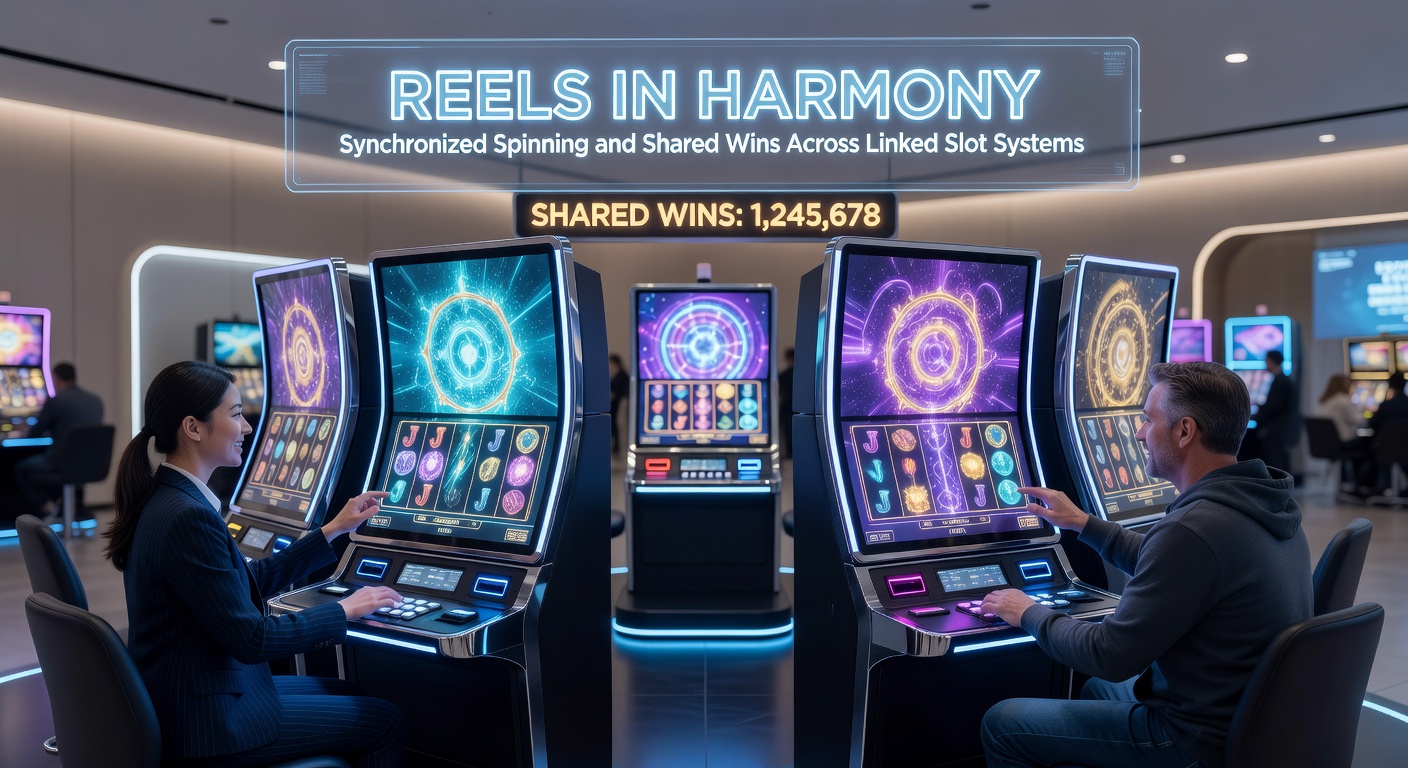
Linked slot systems connect multiple machines into a single network, where reels spin in unison across the bank, creating a spectacle that draws crowds; players watch as symbols align simultaneously on every screen, heightening the tension while building toward shared payouts. These setups, often called community or bank-wide links, synchronize bonus triggers and jackpot meters, so when one machine hits a feature, the entire group lights up with matching animations and escalating multipliers. Data from casino operators shows participation rates spike by up to 40% during these synced events, as observers note the communal energy pulls in passersby who might otherwise stick to solo play.
At the core, central servers manage the linkage, dictating reel outcomes in real-time so identical combinations cascade across devices; this isn't random per machine but coordinated, ensuring fairness through certified random number generators (RNGs) overseen by bodies like the Nevada Gaming Control Board. Providers such as IGT and Aristocrat pioneered this in the 1990s with wide-area progressives, but modern iterations add layers like collective free spins, where wins from any linked unit contribute to a group multiplier that can balloon payouts exponentially.
Take Mustang Money Linked, a popular example where 12 or more machines hum together; as horseshoe symbols land in sync, the herd meter fills collectively, unlocking jackpots that anyone in the bank can claim based on their bet size. Figures reveal these systems average 15-20% higher volatility than standalone slots, yet player retention climbs because the shared risk feels diluted across the group.
Evolution from Progressives to Full Network Harmony
Early linked slots focused on jackpots alone, pooling bets from distant casinos into massive pots like Megabucks, which first dropped a $39.7 million win in 2003; but synchronized spinning took hold in the 2010s, evolving into immersive experiences where entire walls of screens pulse as one. Developers now integrate touchscreens for group voting on bonus paths—say, choosing aggressive multipliers over safe holds—turning passive spinning into interactive events that last minutes rather than seconds.
What's interesting is how land-based casinos adapted these for online realms, with platforms like BetMGM offering virtual banks where players from different devices join synced sessions; research from the American Gaming Association indicates such hybrids boosted online slot engagement by 25% in 2025, as remote users chase the floor-like camaraderie. And in April 2026, expect rollouts like Light & Wonder's new "Harmony Link" series, syncing 50+ units across US tribal venues with real-time leaderboards showing top contributors to the communal pot.
Observers point out that while traditional progressives cap at local banks, these networks span venues, jurisdictions even, with contributions funneled securely via encrypted servers; one case saw a Las Vegas strip linkage pay out $2.1 million in synchronized respins last year, split among five players who bet simultaneously during the trigger.
Player Dynamics and Payout Structures in Linked Play
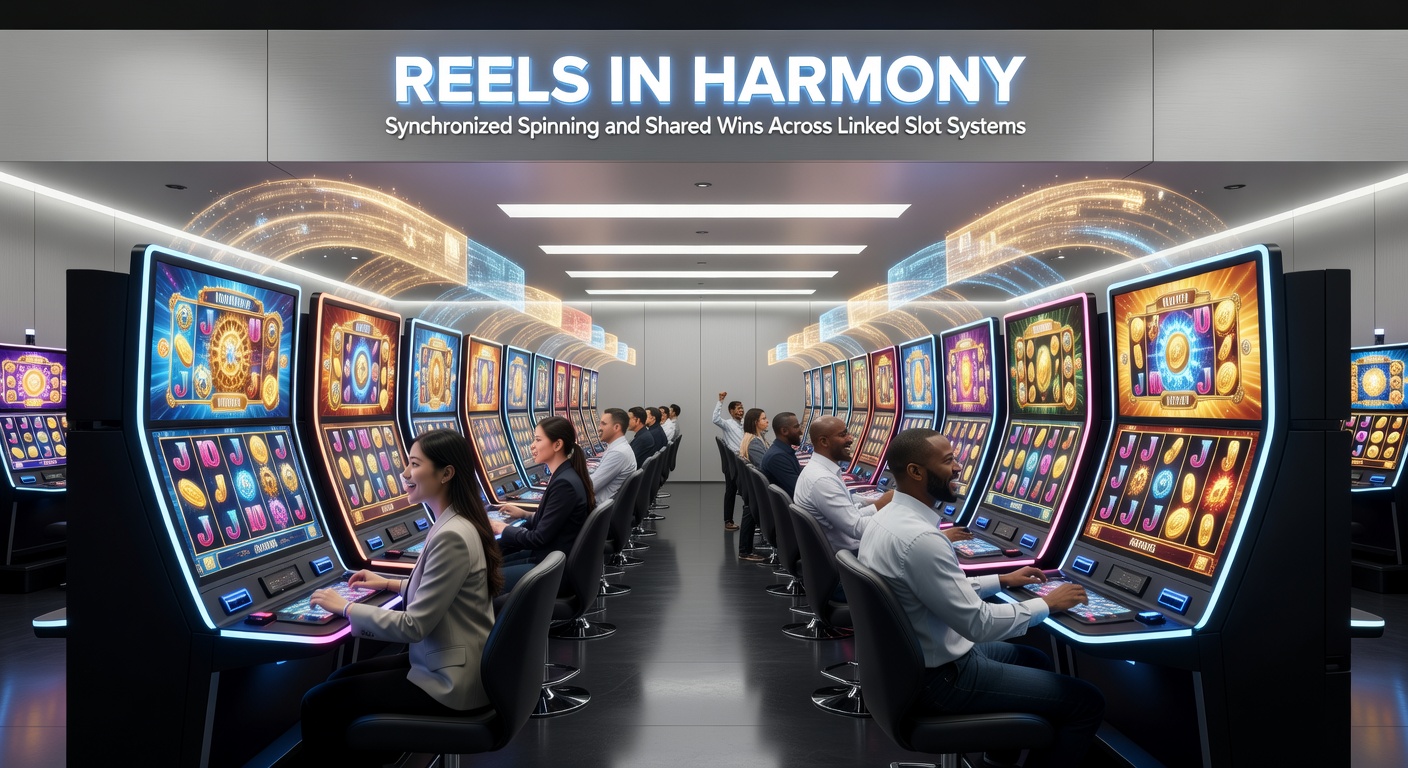
Shared wins redefine strategy, since individual bets fuel group meters; low-stakes players ride the wave of high-rollers' contributions, often seeing their modest spins amplified by collective progress, whereas big bettors accelerate jackpots for quicker drops. Studies from industry analysts reveal RTPs hover at 92-96% across these networks, comparable to independents, but the variance shifts toward lumpier, life-changing hits—think minor, major, and grand tiers that must-hit by set amounts, ensuring frequent mini-celebrations amid the mega chase.
Bonus harmony shines in features like wheel spins that activate bank-wide; if one lands a segment, all players get a shot at scaled prizes based on their stake, creating ripple effects where a single trigger benefits dozens. People who've tracked sessions report hold-and-spin modes extending 2-3 times longer in linked setups, as fixed coins from any machine nudge the global total, keeping everyone locked in until the jackpot bursts.
Yet the real draw lies in social proof—crowds form around humming banks, bets escalate 30% per data logs, and testimonials highlight the "electric buzz" of shared anticipation, even if math shows house edges hold steady at 4-8%.
Technical Backbone and Regulatory Oversight
Servers orchestrate the sync via fiber optics in casinos or cloud tech online, processing thousands of outcomes per minute while logging every contribution for audits; this setup demands rigorous testing, with approvals from agencies like Australia's Office of Liquor and Gaming Regulation ensuring no tampering skews results. Fail-safes include per-machine opt-ins for links, protecting solo players from pooled volatility if they prefer it.
Turns out, these systems thrive in high-traffic spots—Vegas floors dedicate 20-30% of space to banks now—because metrics show 50% faster coin-in rates during peak hours; developers counterbalance with customizable volatility sliders, letting operators tune for local tastes, from conservative EU markets to aggressive US ones.
And as VR edges in, prototypes link headset users in virtual casinos for holographic synced spins, promising to blend physical harmony with digital scale by late 2026.
Case Studies: Hits That Lit Up Linked Banks
Consider the 2024 Dragon Link frenzy at MGM properties, where a $1.2 million grand triggered after 16 machines synced dragon eyes, distributing tiers to eight players in under 90 seconds; footage captured the chaos, with cheers echoing as meters zeroed out collectively. Another standout: Konami's All Aboard series, linking 24 units, saw a Sydney casino bank erupt for AUD 1.8 million in 2025, thanks to train cars filling universally during hold features.
Online mirrors this with games like Playtech's Age of the Gods networks, pooling players globally for synced god powers that unleash free spins en masse; stats indicate these deliver 10x average session lengths, as the group chase overrides quick quit impulses.
Experts who've dissected wins note patterns—triggers cluster post-major payouts, resetting meters to lure back the faithful, a cycle that sustains 24/7 play in connected hubs.
Future Horizons for Linked Slot Networks
Advancements point to AI-driven personalization, where networks adapt sync speeds or bonus odds based on bank demographics; April 2026 brings Everi's Triple Link upgrade, connecting 100+ machines with geo-shared pots across states, pending approvals. Cross-platform play looms large too, letting app users join live casino banks via live streams, blurring lines further.
That said, sustainability checks in with responsible gaming tools—session timers pause during hypersyncs, bet caps apply per link—keeping the harmony balanced. Data projects these systems claiming 35% of floor space by 2027, as their magnetic pull reshapes casino design around communal zones.
Conclusion
Linked slot networks transform isolated spins into symphony-like events, where synchronized reels and shared wins forge connections on crowded floors and digital realms alike; players tap into amplified excitement without altering core math, as providers and regulators fine-tune for fairness and fun. With fresh launches on the horizon—like those slated for spring 2026—these systems stand poised to redefine how crowds chase fortunes together, one harmonious trigger at a time.