Tracing the Hidden Influence of Cultural Mythologies on Slot Symbol Design Across Global Providers
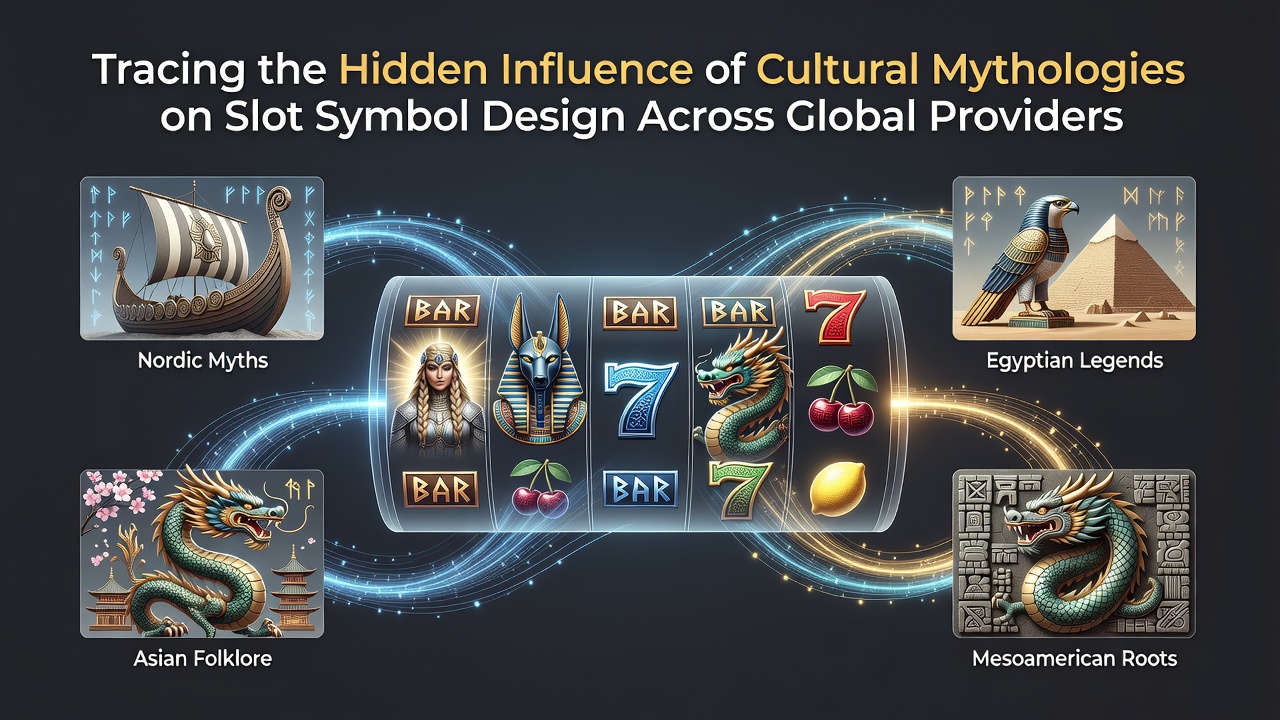
Slot symbol design draws from cultural mythologies in ways that shape visual elements and thematic structures across providers operating in multiple regions, and this pattern appears consistently in game releases from companies like NetEnt, Aristocrat, and Konami. Symbols such as gods, creatures, and artifacts serve as core icons that trigger features while reflecting stories from Egyptian, Norse, Greek, and East Asian traditions, which providers adapt to fit reel mechanics and bonus systems.
Egyptian and Near Eastern Motifs in Early Digital Slots
Providers incorporated Egyptian iconography early in online slot development, with scarabs, ankhs, and pharaoh figures functioning as high-value symbols that often double as wilds or scatters, and data from industry reports shows these elements appearing in titles released between 2005 and 2015 by IGT and WMS. One study from the University of Nevada, Las Vegas documented how these symbols maintain narrative continuity with ancient texts while adjusting payout frequencies to align with modern volatility models.
Similar patterns emerged in games drawing from Mesopotamian sources, where providers used ziggurat structures and winged deities to create stacked symbols that expand during free spin rounds, and this approach allowed designers to layer multiple payline interactions without altering core mathematics.
Norse and Germanic Influences on Feature Triggers
Norse mythology entered slot design through hammer icons and raven figures that activate progressive elements, and providers such as Play'n GO integrated these into games where symbols shift positions based on collection meters tied to mythological quests. Observers note that these designs frequently pair with audio cues drawn from saga recitations, which helps maintain thematic cohesion across base game and bonus phases.
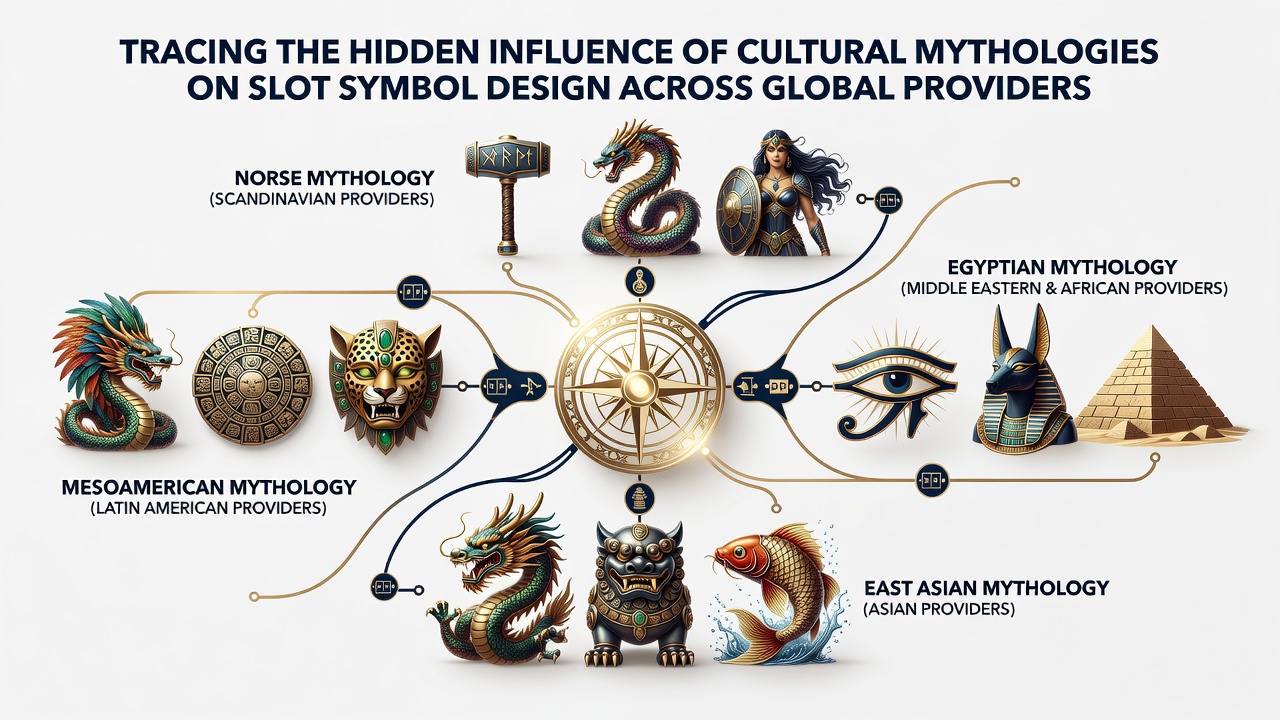
Research from the Canadian Gaming Association indicates that Norse-themed releases increased by 18 percent between 2020 and 2024, with symbols like the world tree serving dual roles as both visual anchors and multipliers that scale with bet size. Providers adjust these elements to comply with regional testing standards while preserving the underlying story structures.
Asian Mythological Elements and Global Provider Adaptations
Dragon, phoenix, and celestial guardian symbols from Chinese and Japanese traditions appear in slots by providers including SG Digital and Inspired Entertainment, where they often trigger cascading reels or hold-and-win mechanics. These designs frequently incorporate color palettes and line work drawn from traditional ink paintings, which allows the icons to function across both desktop and mobile interfaces without resolution loss.
Aristocrat has released multiple titles featuring these motifs since 2018, and figures from the Australian Communications and Media Authority show steady uptake in markets where cultural familiarity supports longer session times. Symbols representing the eight immortals or koi fish transform into bonus activators, and this method connects reel outcomes to established folklore sequences.
Mechanics Shaped by Mythological Narratives
Across providers, mythological frameworks influence how symbols interact during gameplay, such as when Greek pantheon figures from Zeus-themed games create cluster pays that mirror epic battles described in classical sources. Developers map these interactions to probability tables that balance hit frequency with jackpot potential, and external testing labs verify compliance before market launch.
July 2026 saw several providers introduce updated versions of existing mythological titles with refined symbol animations that respond to player selections, which reflects ongoing technical refinements rather than shifts in thematic sourcing. These updates maintain the same icon sets while enhancing visual transitions between base game and feature rounds.
Cross-Cultural Symbol Blending in Recent Releases
Some providers experiment with hybrid designs that merge elements from multiple traditions, such as combining Egyptian scarabs with Nordic runes on shared reels, and this practice appears more frequently in games distributed through international platforms. Industry analyses from the European Gaming and Betting Association highlight that such blending requires careful calibration to avoid diluting individual cultural references while meeting regulatory guidelines in different jurisdictions.
Symbols retain their individual mythological identities even when placed together, which allows players to recognize source stories through visual cues alone. Providers document these choices in design briefs that guide both art teams and sound engineers during production cycles.
Conclusion
Cultural mythologies continue to supply visual and structural material for slot symbols produced by global providers, and this influence manifests through specific icon choices, feature triggers, and thematic consistency across releases. Data from regulatory bodies and academic reviews confirms that these elements adapt to technical and market requirements while preserving core references from their source traditions, and ongoing development in 2026 demonstrates continued refinement of these established approaches.